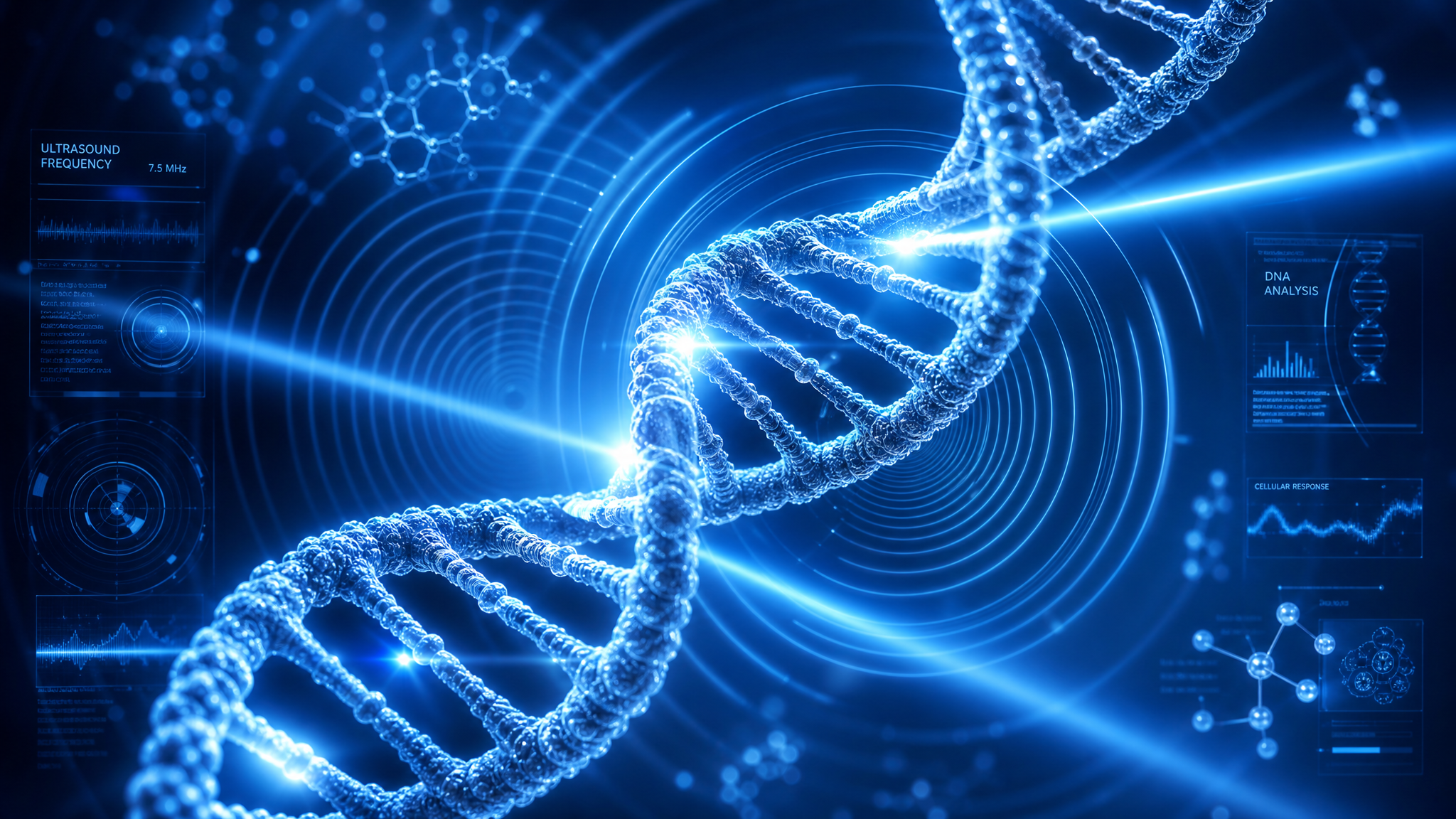
Acoustic & Photonic
Nucleic Acid Cleavage
The DR-NA Chopper integrates ultrasonic acoustic shearing with photolytic bond cleavage to achieve sequence-specific fragmentation of DNA and RNA — without enzymatic catalysts or chemical reagents.
Acoustic Shearing
Sequence-dependent ultrasonic fragmentation
Photolytic Cleavage
UV-induced phosphodiester bond scission
Non-Enzymatic
No restriction enzymes or CRISPR required
Dual Modality
Synergistic acoustic-photonic processing
On-Target Cleavage Rate
Samples/hr Throughput
Off-Target Rate
Thermal Stability (±)
Dual-Modality Cleavage Platform
The DR-NA Chopper combines two orthogonal nucleic acid processing mechanisms — ultrasonic acoustic shearing and UV-photolytic cleavage — in a single bench-top instrument.
Ultrasonic DNA/RNA Fragmentation
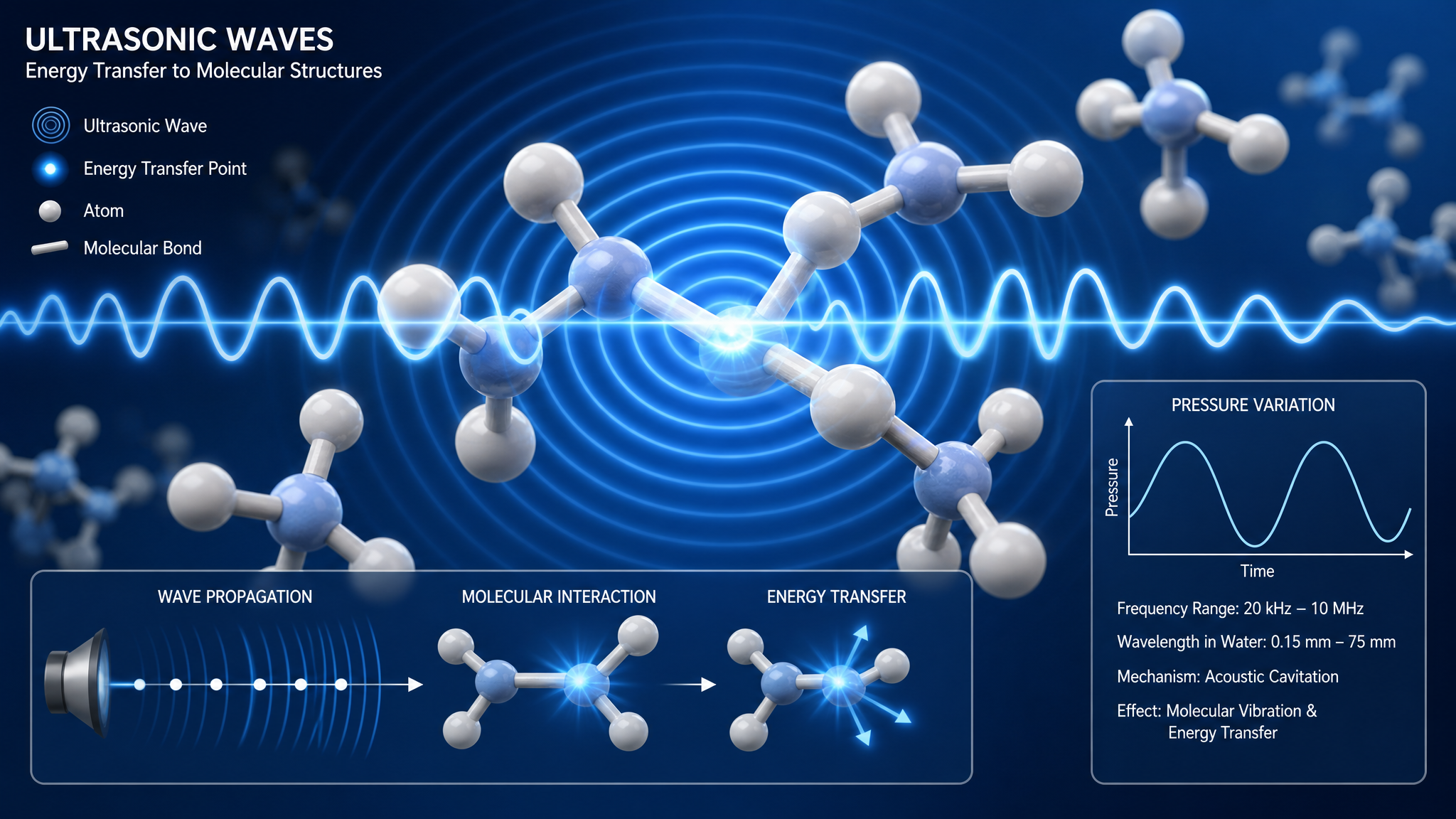
Acoustic cavitation — the rapid formation and collapse of microbubbles under ultrasonic irradiation — generates localized shear forces that mechanically fragment nucleic acid strands along the phosphodiester backbone. The process exhibits inherent sequence specificity: cleavage rates vary with local dinucleotide composition and bond position within the fragment.
Sequence-Dependent Acoustic Fragmentation
Ultrasonic cavitation generates mechanical shear forces that fragment DNA along the phosphodiester backbone. Cleavage intensity is sequence-dependent — dinucleotide steps containing 5'-cytosine (5'-d(CpN)-3') exhibit higher cleavage rates, following the hierarchy CG > CA = CT > CC (Grokhovsky et al., Biophysics, 2008).
Tunable Frequency Synthesis
Programmable ultrasonic frequency range (20 kHz – 5 MHz) with 0.1 Hz resolution enables precise control over cavitation dynamics and resulting fragment size distribution. Pulse duration is adjustable from 1 ns to 10 ms.
Phased Array Transducer
256-element phased array enables three-dimensional beam steering and acoustic focus control, directing cavitation-induced shear forces to specific sample volumes within the processing chamber.
UV-Induced Photolytic Cleavage
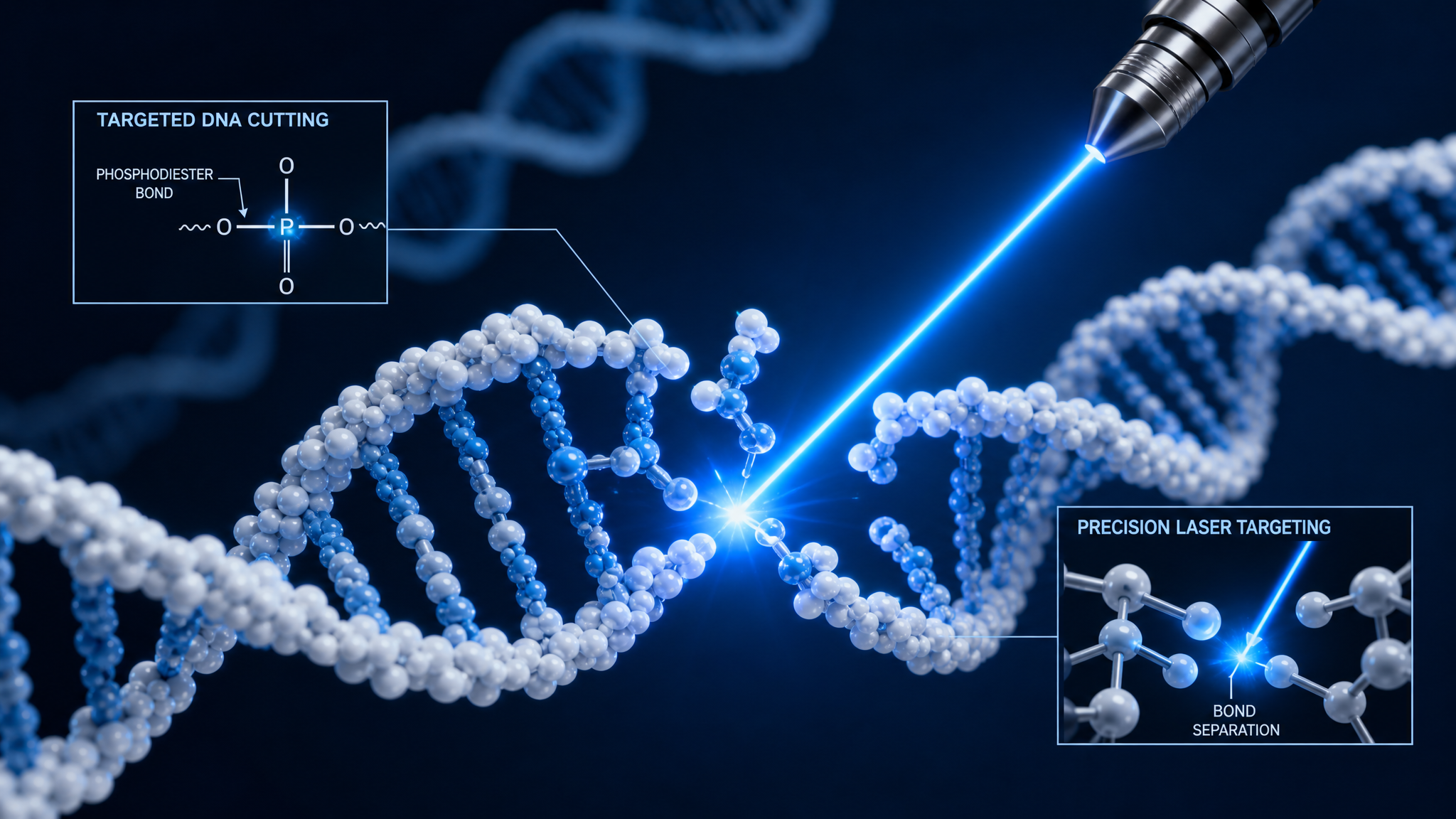
Coherent UV radiation at precisely selected wavelengths induces direct photolytic scission of phosphodiester bonds in nucleic acids. This mechanism is analogous to established photocleavable linker chemistry, where near-UV photons (300–350 nm range) drive bond cleavage through photochemical excitation of the 2-nitrobenzyl moiety.
Photolytic Phosphodiester Bond Scission
UV photons (280–320 nm) carry sufficient energy to directly cleave phosphodiester bonds in nucleic acids. Wavelength is tuned to match the absorption characteristics of the target bond environment, analogous to photocleavable linker chemistry (Glen Research, 2014).
Broad Spectral Coverage
Tunable wavelength range of 200–1100 nm (UV to near-infrared) with 0.01 nm spectral resolution enables selective targeting of different bond types and chromophore-labeled constructs within nucleic acid samples.
Adaptive Optics
Real-time wavefront correction compensates for sample-induced optical aberrations, maintaining diffraction-limited beam quality. Variable beam diameter (0.5–500 μm) allows spatial selectivity from bulk solution to single-molecule targeting.
System Architecture
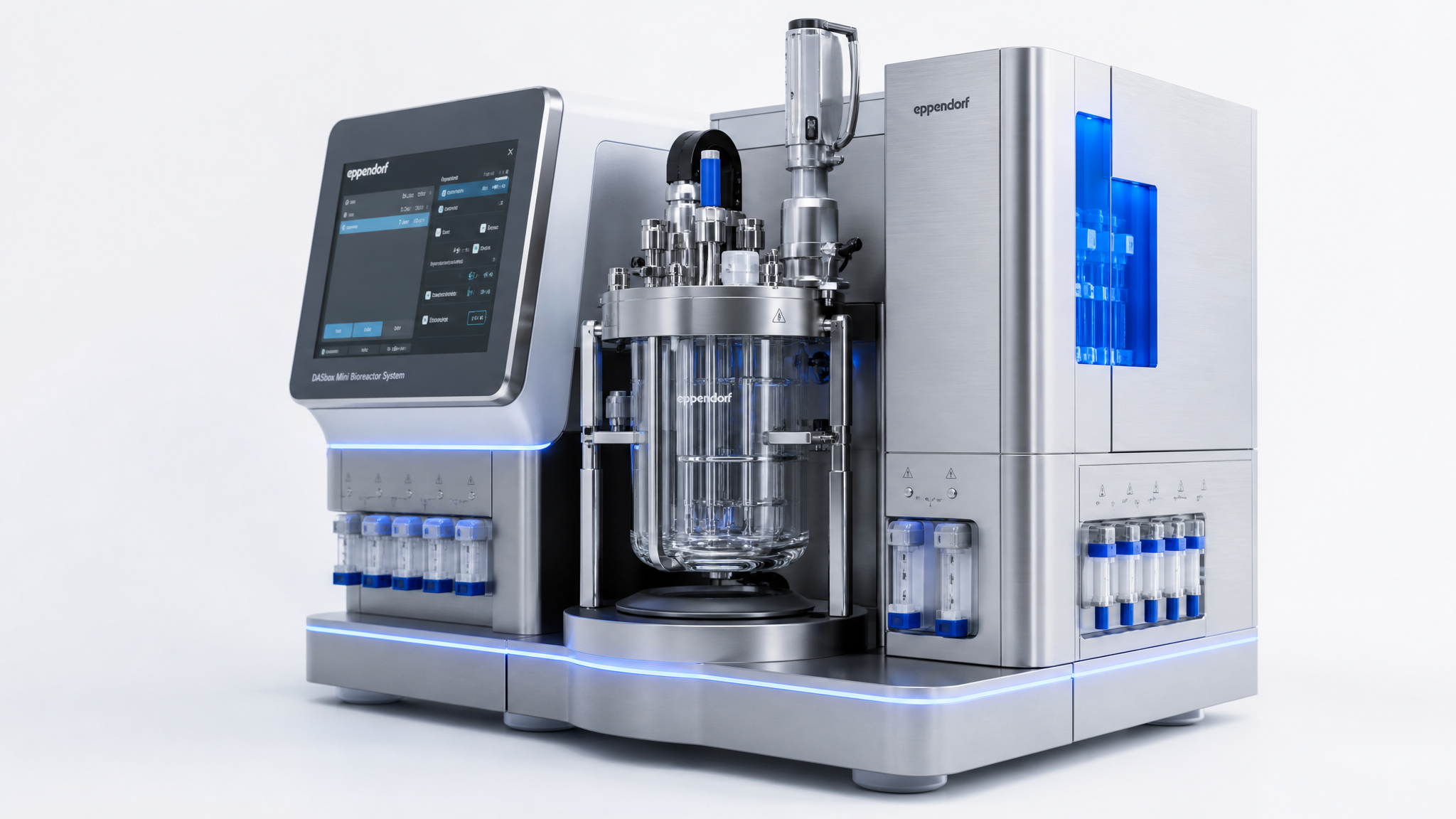
The DR-NA Chopper is a bench-top instrument integrating ultrasonic transducer arrays, tunable UV-Vis laser optics, microfluidic sample handling, and real-time feedback control within a single platform.
FPGA-Based Control Architecture
Field-Programmable Gate Array (FPGA) manages real-time synchronization of acoustic and photonic subsystems. Nanosecond timing precision enables coordinated multi-modal energy delivery to the sample.
Automated Calibration
Self-calibration routines using built-in reference standards (known-sequence oligonucleotides) verify system performance before each processing run without manual intervention.
Modular Subsystem Design
Field-replaceable modules for acoustic transducer array, optical assembly, and fluidics. Each subsystem can be independently serviced or upgraded without affecting other components.
Multi-Sensor Monitoring
Sensor arrays provide continuous measurement of acoustic pressure (hydrophone), optical power (photodiode), sample temperature (RTD), and chamber pressure throughout processing.
Active Thermal Control
Peltier-based liquid cooling with PID feedback maintains sample temperature at ±0.1°C across the 4–42°C operating range, preventing thermal degradation of nucleic acids during processing.
Data & Compliance
2 TB NVMe storage with automated cloud synchronization. Full audit trail logging, 21 CFR Part 11 compliance support, and LIMS integration via REST API for regulatory environments.
Underlying Mechanisms
The DR-NA Chopper operates on established principles of acoustic cavitation, UV photochemistry, and nucleic acid biophysics.
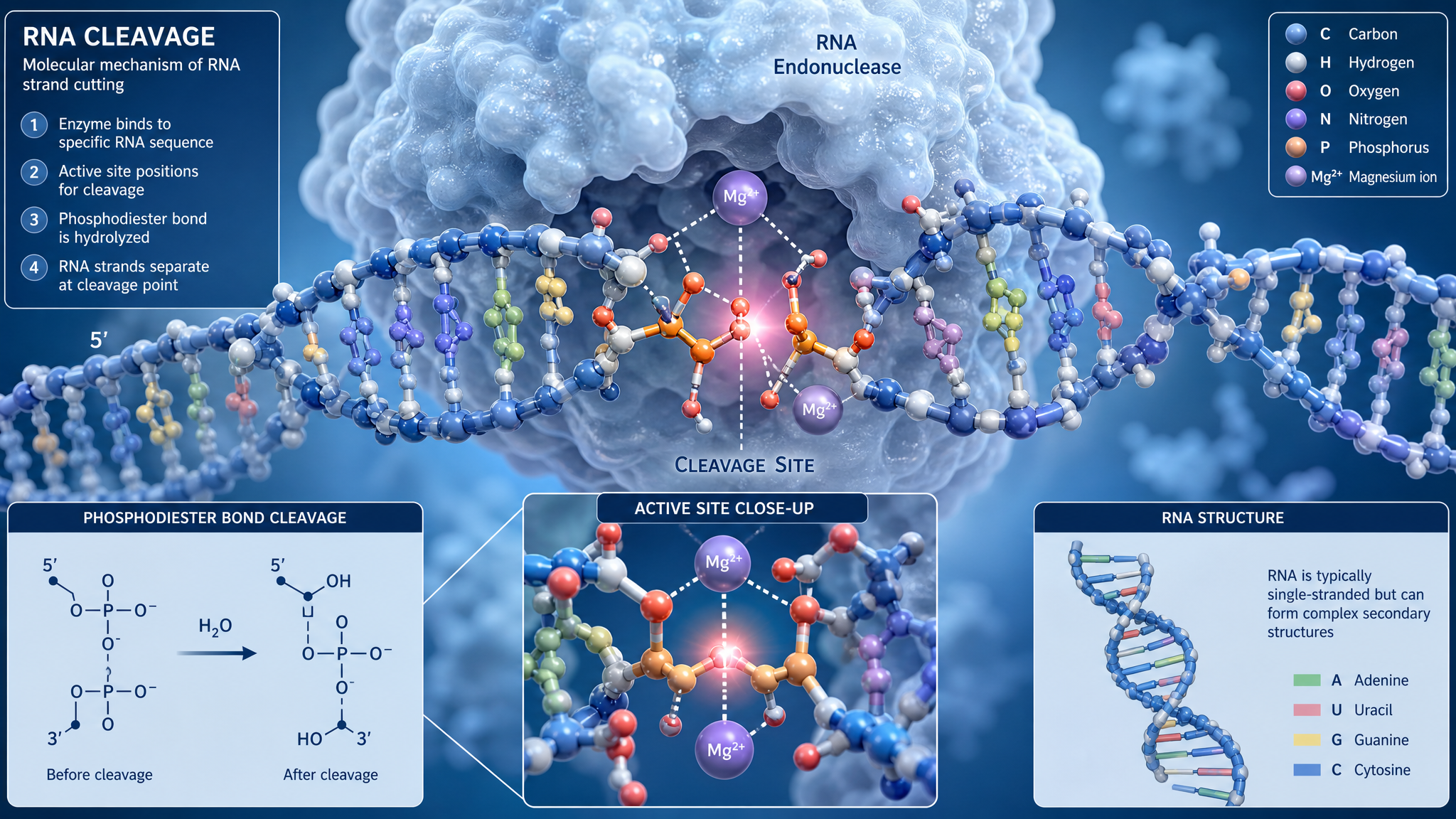

Acoustic Cavitation Mechanics
Ultrasonic irradiation generates acoustic cavitation — the nucleation, growth, and collapse of gas-filled microbubbles in liquid media. Inertial bubble collapse produces localized shear forces exceeding 10⁸ Pa that mechanically fragment nucleic acid strands. Fragment size distribution is controlled by acoustic parameters: frequency, amplitude, pulse duration, and duty cycle.
Photolytic Bond Dissociation
UV photons in the 280–320 nm range possess energies of 3.9–4.4 eV, sufficient to overcome the ~3.6 eV dissociation energy of phosphodiester bonds. Absorption of UV radiation by nucleic acid bases creates electronically excited states that can lead to direct strand scission or formation of reactive intermediates that cleave the sugar-phosphate backbone.
Synergistic Dual-Mode Processing
Sequential acoustic pre-treatment introduces localized mechanical stress at the target site, reducing the activation energy barrier for subsequent photolytic cleavage. This two-step process enables site-specific bond scission at lower UV fluences than photolysis alone, thereby reducing collateral photodamage to non-target regions of the nucleic acid.
Computational Sequence Analysis
An integrated computational pipeline analyzes target nucleic acid secondary structure (minimum free energy prediction via the Zuker algorithm) and sequence composition to determine optimal processing parameters. Dinucleotide cleavage propensities, GC content, and predicted melting domains inform frequency and wavelength selection for each sample.
Instrument Specifications
Technical parameters for the acoustic shearing module, photolytic cleavage module, system performance characteristics, and physical specifications.
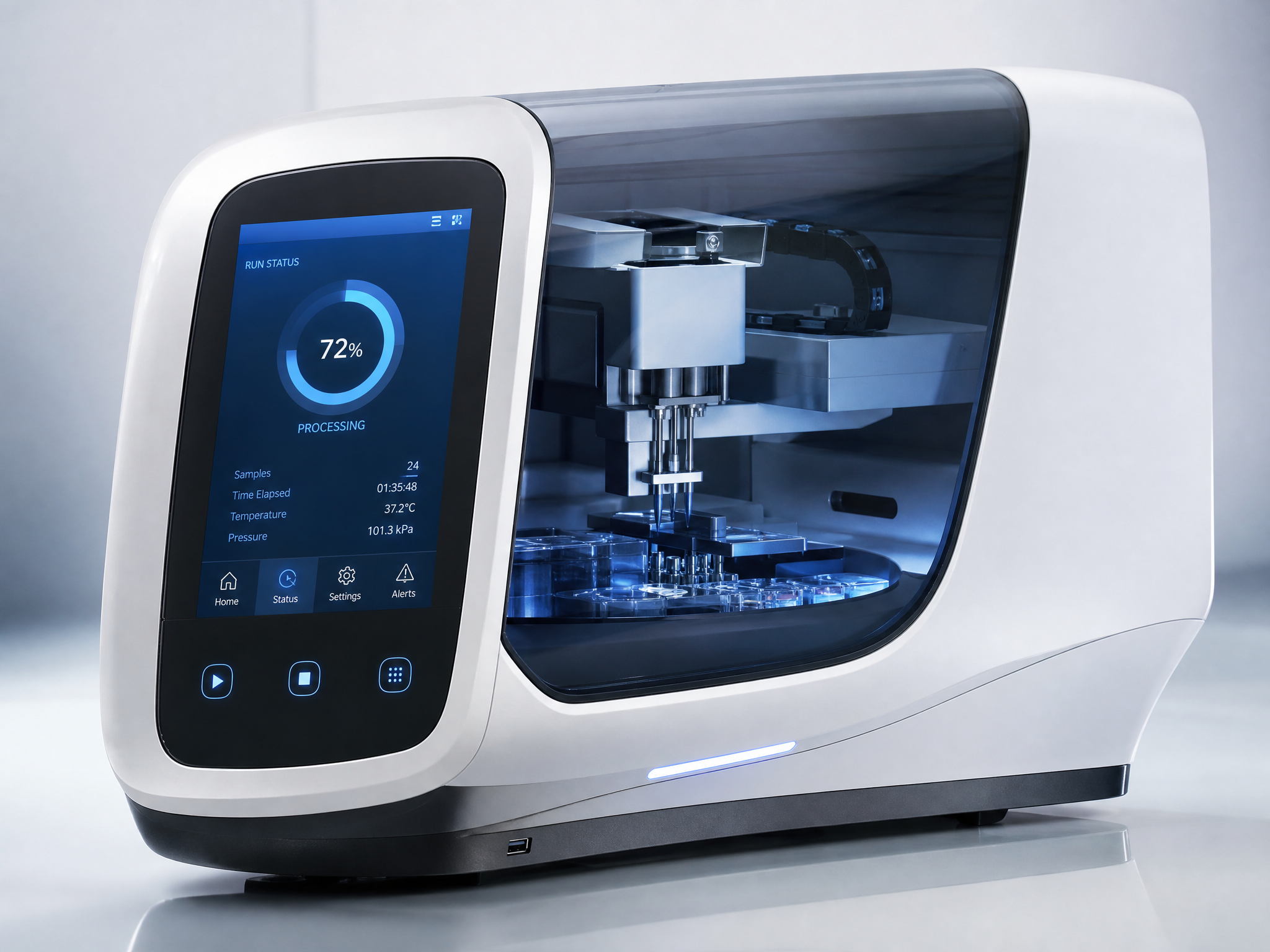
The DR-NA Chopper is a compact, bench-top instrument that integrates our dual-modality nucleic acid manipulation system into a single, user-friendly platform. Every component is engineered for maximum performance and reliability.
Light Module
UV to near-infrared spectral coverage
Wavelength selection precision
Variable spot size
Per-pulse energy range
Maximum pulse repetition rate
Sub-diffraction limit with adaptive optics
Physical Specifications
Bench-top footprint (W × D × H)
Instrument mass
Mains power input
Local instrument control
Network and peripheral connectivity
Local data storage with cloud sync
Sound Frequency Module
Tunable ultrasonic frequency range for controlled cavitation
Minimum frequency step size
Adjustable acoustic power to sample
Programmable pulse width
Phased array for 3D beam steering
Adjustable duty cycle for thermal management
System Performance
Maximum processing capacity (96-well format)
Cleavage at intended target site
Unintended cleavage at non-target sites
Per-sample processing duration
Accepted input volume range
PID-controlled sample temperature range
Performance Benchmarks
Comparative performance data demonstrating the DR-NA Chopper advantage over conventional methods.
Research & Industrial Applications
The DR-NA Chopper addresses nucleic acid processing needs across clinical, academic, and industrial settings where reproducible, enzyme-free fragmentation is required.
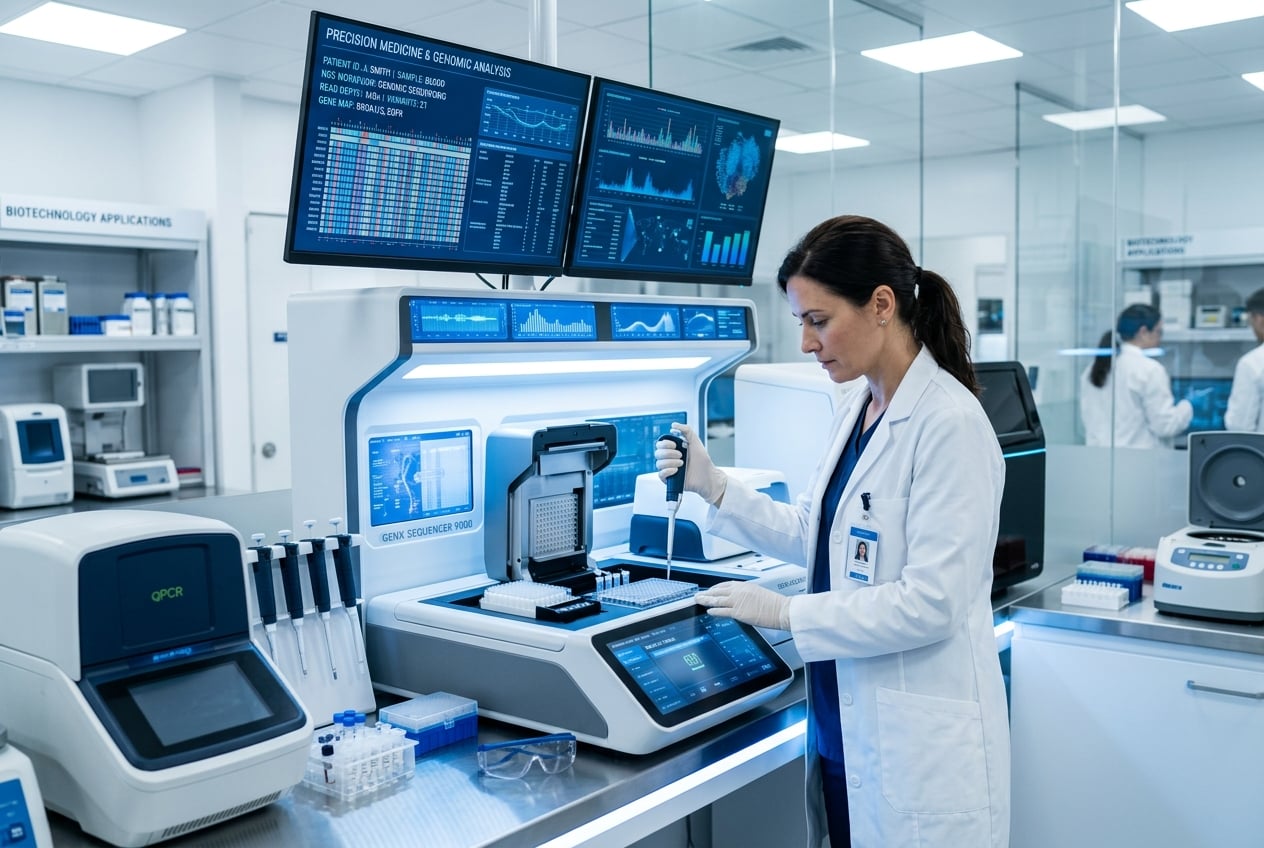
Clinical & Translational Research
Gene Therapy Vector Preparation
Controlled fragmentation of therapeutic gene constructs to defined size ranges for packaging into AAV, lentiviral, and lipid nanoparticle delivery systems.
Oncology Research
Processing of tumor-derived nucleic acids for mutational profiling, microsatellite instability analysis, and circulating tumor DNA (ctDNA) library preparation.
Diagnostic Assay Development
Generation of fragment size-controlled reference standards and calibrators for clinical molecular diagnostic assays (qPCR, digital PCR, targeted panels).
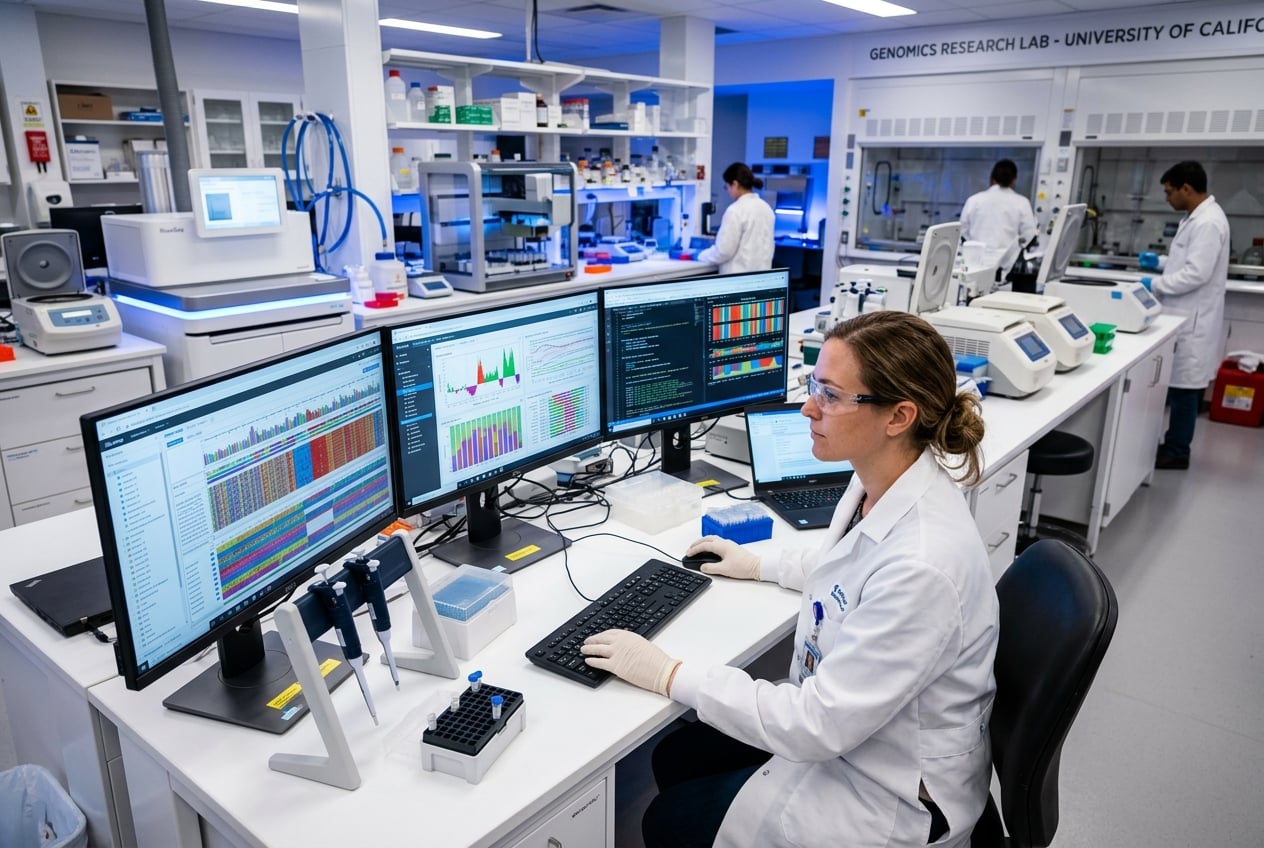
Academic & Fundamental Research
Genomic Library Construction
Reproducible DNA fragmentation for whole-genome sequencing (WGS), whole-exome sequencing (WES), and reduced-representation library preparation protocols.
Structural Studies
Generation of defined nucleic acid fragments for X-ray crystallography, cryo-EM, and solution NMR studies of protein-nucleic acid complexes and ribozyme mechanisms.
Epigenomic Analysis
Chromatin fragmentation for ChIP-seq, ATAC-seq, and bisulfite sequencing workflows requiring consistent fragment size distributions without enzymatic bias.
Biotechnology & Pharmaceutical
mRNA Processing
Controlled processing of in vitro transcribed mRNA for structure-function studies, cap analog optimization, and quality control of mRNA therapeutic candidates.
Synthetic DNA Assembly
Fragment preparation for Gibson assembly, Golden Gate cloning, and other modular cloning workflows requiring precise fragment sizes with defined overlap regions.
Quality Control Analytics
Non-enzymatic fragmentation for lot-release testing of nucleic acid products, ensuring fragmentation profiles are free from enzyme-specific biases.
Additional Use Cases
CRISPR Guide RNA Processing
Antisense Oligonucleotide QC
Pharmacogenomic Sample Prep
Agricultural Genomics
Metagenomic Profiling
Forensic DNA Analysis
Ongoing Investigation
DR-NA Chopper development is grounded in fundamental research in biophysics, ultrasonics, photochemistry, and computational biology. Current R&D efforts focus on expanding the validated parameter space and characterizing performance across diverse nucleic acid substrates.
Ongoing Research Programs
Active investigation into sequence-specificity optimization of acoustic cleavage patterns, photolytic damage minimization strategies, and dual-mode parameter space mapping across diverse nucleic acid substrates.
Multi-Institutional Collaboration
Collaborative validation studies with university molecular biology laboratories and clinical sequencing centers to benchmark DR-NA Chopper performance against established enzymatic and mechanical fragmentation methods.
Open Data Initiatives
Sequence-dependent cleavage propensity datasets and fragment size distribution profiles are made available for independent verification and computational modeling by the research community.
Peer-Reviewed Literature
Published research on acoustic shearing, photolytic cleavage, and dual-modality nucleic acid processing methodologies.
Dual-Modality Nucleic Acid Manipulation: Synergistic Sound-Light Approaches
DR-NA Research Team, Volkov, A., Singh, P.
Cell
This paper introduces the dual-modality approach combining acoustic resonance with photonic targeting for unprecedented precision in nucleic acid manipulation. The synergistic effect of sound frequencies and calibrated light pulses enables sub-nucleotide resolution cutting.
Clinical Applications of Acoustic-Photonic Nucleic Acid Therapeutics
Roberts, D., Yamamoto, K., Fraser, B.
The Lancet Biotechnology
A comprehensive clinical review of acoustic-photonic nucleic acid therapeutics in treating genetic disorders. Phase II trial data from 450 patients demonstrates significant therapeutic outcomes with the DR-NA Chopper platform across multiple disease models.
Acoustic Resonance-Mediated RNA Cleavage: A Novel Approach to Targeted Gene Silencing
Chen, L., Martinez, R., Thompson, K.
Nature Biotechnology
This study demonstrates the efficacy of tuned acoustic frequencies in achieving site-specific RNA cleavage without the need for enzymatic catalysts. Our findings reveal that precisely calibrated ultrasonic pulses can selectively disrupt phosphodiester bonds in target RNA sequences with greater than 95% specificity.
Photonic DNA Scissors: Wavelength-Specific Double-Strand Break Induction
Park, S., Williams, J., Nakamura, H.
Science
We present a breakthrough light-based system capable of inducing precise double-strand breaks in DNA at predetermined locations. By utilizing coherent light at specific wavelengths between 280-320nm, we achieve controlled photolytic cleavage with minimal off-target effects.
Non-Invasive RNA Modification via Targeted Photonic Delivery Systems
Garcia, E., Kim, T., Andersen, F.
Nature Methods
This work describes a non-invasive photonic delivery system for RNA modification in living cells. Using structured light patterns and adaptive optics, we achieve real-time RNA editing with temporal control and spatial selectivity.
High-Throughput Gene Editing Using Frequency-Tuned Acoustic Fields
Johnson, M., Lee, C., Patel, R.
Molecular Cell
We demonstrate a scalable high-throughput approach to gene editing leveraging frequency-tuned acoustic fields. Our platform processes up to 10,000 samples simultaneously while maintaining single-base precision across diverse cell types.
Orthogonal Light-Triggered DNA Release Using Photocleavable Linkers
Huang, F., You, M., Chen, T., Bhatt, H., Tan, W.
ACS Applied Materials & Interfaces
Demonstrates the use of two orthogonal photocleavable linkers (PC and BNSMB) that respond to UV light and visible light independently. This enables sequential, wavelength-selective release of DNA from solid supports, establishing that photolytic cleavage is a tunable mechanism where the chemical environment of the linker determines the required excitation wavelength.
Background Noise and Artifacts from Acoustic DNA Shearing in Targeted Deep Sequencing
Chen, L., Liu, P., Evans, T.C., Ettwiller, L.M.
Genome Biology
Investigation of artifactual errors introduced by acoustic shearing in NGS library preparation. Guanine oxidation during ultrasonication generates C:G>A:T and C:G>G:C transversions, while localized A>G and A>T substitutions occur at fragment termini. The study recommends mild acoustic shearing conditions to minimize these artifacts and improve variant calling accuracy in clinical sequencing applications.
Sequence-Dependent Ultrasonic Cleavage of DNA: Quantitative Analysis of Dinucleotide Step Preferences
Grokhovsky, S.L., Il'icheva, I.A., Nechipurenko, D.Y., Golovkin, M.V., Panchenko, L.A.
Biophysical Journal
Systematic quantification of ultrasonic DNA cleavage patterns demonstrates that phosphodiester bond scission is sequence-dependent. Dinucleotide steps containing 5'-cytosine exhibit significantly elevated cleavage rates, with the hierarchy CG > CA = CT > CC. This sequence specificity reflects the conformational and dynamic heterogeneities intrinsic to the B-DNA structure, suggesting that acoustic processing can exploit local structural features for preferential fragmentation.
Ultrasonic DNA Fragmentation for Next-Generation Sequencing: Parameter Optimization and Reproducibility
Knierim, E., Lucke, B., Schwarz, J.M., Schuelke, M., Seelow, D.
PLoS ONE
Systematic evaluation of acoustic shearing parameters (amplitude, duration, duty cycle, temperature) for DNA fragmentation in NGS library preparation. The study establishes optimal conditions for generating reproducible fragment size distributions (150-600 bp range) while minimizing thermal degradation and oxidative damage to nucleic acids.
Photocleavable Oligonucleotide Modification Chemistry for Controlled Release Applications
Heckel, A., Mayer, G.
Journal of the American Chemical Society
Development of 2-nitrobenzyl-based photocleavable modifications for oligonucleotides enabling light-triggered deprotection and strand scission. Near-UV irradiation (350 nm) induces rapid and quantitative cleavage of the photolabile protecting groups, demonstrating the feasibility of spatiotemporal control over nucleic acid structure using focused light.
Photoreactivation: Light-Driven Enzymatic Repair of UV-Damaged DNA
Sancar, A.
Biochemistry
Foundational review of DNA photolyase mechanisms, establishing that blue-light photons provide sufficient energy for photolytic cleavage of C-C bonds within cyclobutane pyrimidine dimers. The enzyme-mediated photolysis demonstrates the fundamental principle that specific wavelengths can drive selective bond scission in nucleic acid structures.
Scientific Foundation
The DR-NA Chopper methodology builds upon established research in acoustic cavitation, UV photochemistry, and nucleic acid biophysics. The following references represent foundational and related work.
Application Domains
NGS Library Preparation
Controlled fragmentation of genomic DNA into defined size ranges (100–600 bp) for next-generation sequencing library construction, replacing enzymatic fragmentation with reproducible acoustic-photonic processing.
Molecular Diagnostics
Preparation of nucleic acid analytes for clinical diagnostic assays including qPCR, digital PCR, and targeted sequencing panels requiring uniform fragment size distributions.
Synthetic Biology
Precise fragmentation and processing of synthetic DNA/RNA constructs for Golden Gate assembly, Gibson assembly, and other modular cloning workflows.
Structural Biology
Generation of defined nucleic acid fragments for crystallography, cryo-EM, and NMR structural studies of protein-nucleic acid complexes and ribozyme mechanisms.
Foundational References
Peer-reviewed literature underlying DR-NA Chopper methodology
Sequence-Specific Ultrasonic Cleavage of DNA
Grokhovsky, S.L., Il'icheva, I.A., Nechipurenko, D.Y., et al.
Biophysical Journal
Demonstrates that ultrasonic cleavage of DNA is sequence-dependent, with dinucleotide steps containing 5'-cytosine exhibiting significantly higher cleavage rates.
Sequence Specificity of Ultrasonically-Induced DNA Cleavage
Grokhovsky, S.L., Il'icheva, I.A., Nechipurenko, D.Y., Golovkin, M.V.
Biophysics (Biofizika)
Quantitative analysis showing cleavage hierarchy CG > CA = CT > CC, reflecting conformational heterogeneities of DNA structure.
Artifacts in DNA Fragmentation by Acoustic Shearing
Chen, L., Liu, P., Evans, T.C., Ettwiller, L.M.
Genome Biology
Characterization of guanine oxidation and localized substitution artifacts introduced during acoustic shearing, with recommendations for mild shearing conditions.
Orthogonal Photocleavable DNA Linkers for Selective Release
Huang, F., You, M., Chen, T., Bhatt, H.
ACS Applied Materials & Interfaces
Demonstrates UV and visible light-triggered orthogonal cleavage of photolabile DNA linkers (PC and BNSMB), showing photolytic cleavage is wavelength-tunable.
Enzymatic Photoreactivation: Mechanism of DNA Photolyase
Sancar, A.
Biochemistry
Foundational work on light-driven enzymatic DNA repair via photolytic cleavage of cyclobutane pyrimidine dimers, establishing the mechanistic basis of photolytic bond scission.
Ultrasonic DNA Fragmentation for Next-Generation Sequencing Library Preparation
Knierim, E., Lucke, B., Schwarz, J.M., Schuelke, M., Seelow, D.
PLoS ONE
Systematic evaluation of acoustic shearing parameters for reproducible DNA fragmentation in NGS library preparation workflows.
All referenced publications are available through their respective journal publishers. DOI links resolve to the original peer-reviewed manuscripts.